
The sound of a Hermès bag closing is not an accident
@ Hermès
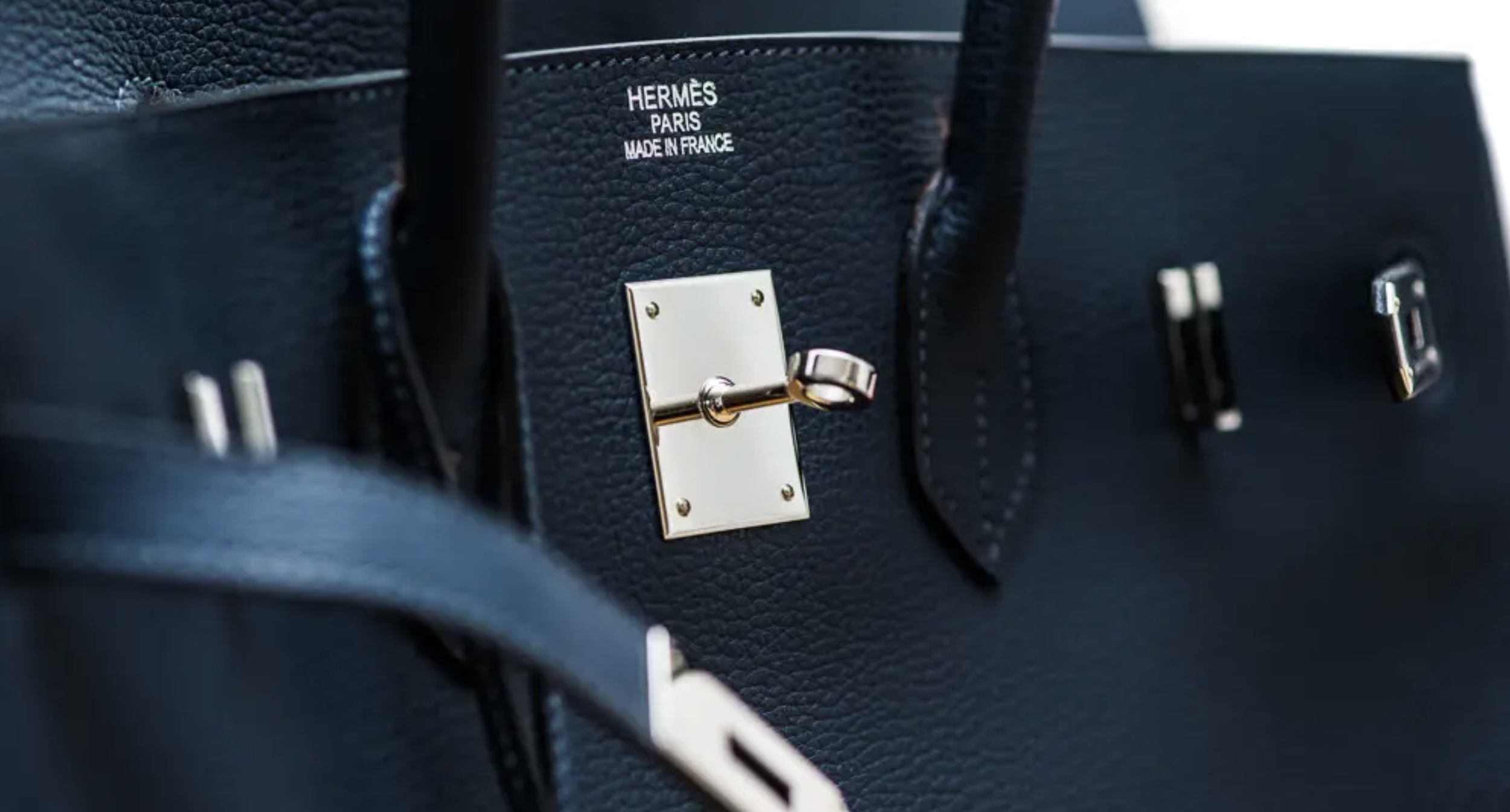
Close a Birkin. Not the zipper, the clasp. There is a particular quality to that sound: clean, dense, with a very slight ring that fades almost immediately. It does not clunk. It does not click the way a mid-range bag clicks. It lands with a kind of finality that is entirely disproportionate to the physical act of closing a bag.
That sound did not happen by accident.
Product acoustics, the deliberate engineering of the sounds an object makes, is one of the least-discussed disciplines in luxury design. It operates below the threshold of most conversations about craft, somewhere between materials science and sensory psychology. But for the houses and manufacturers who practice it seriously, it is as fundamental to the product as the leather itself.
What sound signals
The psychology here is well-documented, even if it is rarely invoked in the luxury context. Sound is one of the primary signals our brains use to assess material quality. A hollow knock versus a dense thud. A sharp click versus a muted snap. We make these assessments involuntarily and instantly, and they are remarkably hard to override with visual information alone.
Studies in consumer psychology, including extensive work done in the automotive industry, have consistently shown that perceived quality tracks closely with acoustic quality. A car door that sounds solid is assumed to be solid, even when the weight and materials are identical to a door that sounds tinny. The sound does not describe the quality; it constitutes it.
Luxury brands know this, even when they do not articulate it. The extreme care taken with hardware in a Hermes bag, the weight of the clasp, the precision of the mechanism, the materials used in the locking components, produces its acoustic character as a byproduct of that care. But the best manufacturers do not leave it entirely to chance.
Rolls-Royce and the door that took years
The extreme care taken with hardware produces its acoustic character as a byproduct. The best manufacturers do not leave that to chance.
No company has invested more publicly in product acoustics than Rolls-Royce. The door close sound of a Ghost or a Phantom, that specific, enveloping thud, is the result of years of dedicated engineering work. The team responsible for it has described the process in terms usually reserved for musical composition: frequencies analyzed, harmonics tuned, materials tested not for structural performance but for acoustic result.
The target was a sound that conveyed security without heaviness, refinement without softness. Too low and it sounds industrial. Too sharp and it sounds inexpensive. The sweet spot, the sound that makes you feel, even before you have sat down, that you are somewhere protected, required extensive iteration across generations of engineers.
Rolls-Royce has filed for trademark protection on the acoustic characteristics of that door close. It is, to their view, as much a part of the brand identity as the Spirit of Ecstasy on the bonnet.
Rolex: the crown as instrument
Watchmaking operates in a different acoustic register entirely. The sounds involved are smaller, more intimate, designed not for public space but for the private moment of wearing. And yet the engineering precision brought to bear on them is extraordinary.
The crown of a Rolex Submariner produces a distinctive resistance and texture when turned. The winding mechanism has a particular sound: a series of fine, even clicks that convey precision through rhythm. The case back seals with a sound that engineers describe as a key quality-control metric: too loose suggests the tolerances are off; too tight indicates an incorrect gasket. None of these sounds are loud. Most wearers have never consciously noticed them. But they accumulate into a sensory impression of quality that is difficult to articulate and impossible to fake with inferior materials.
The next frontier
As luxury products acquire digital interfaces, app connections, smart functions, digital interaction layers, product acoustics faces a new challenge. The sounds of digital interaction have historically been designed for functionality, not for brand coherence. A luxury connected product should sound like that brand. Right now, most of them sound like everything else.
The houses thinking seriously about this are beginning to extend their acoustic design work into the digital layer: commissioning original sounds for apps, for notifications, for the small sonic moments of digital interaction that will, over time, accumulate into the acoustic identity of the product. A Birkin closes with a specific sound. The app that one day connects to its authentication chip should sound like it belongs to the same world. That work is beginning. Slowly, quietly, and entirely without announcement.
