
The invisible craft behind THE runway MUSIC
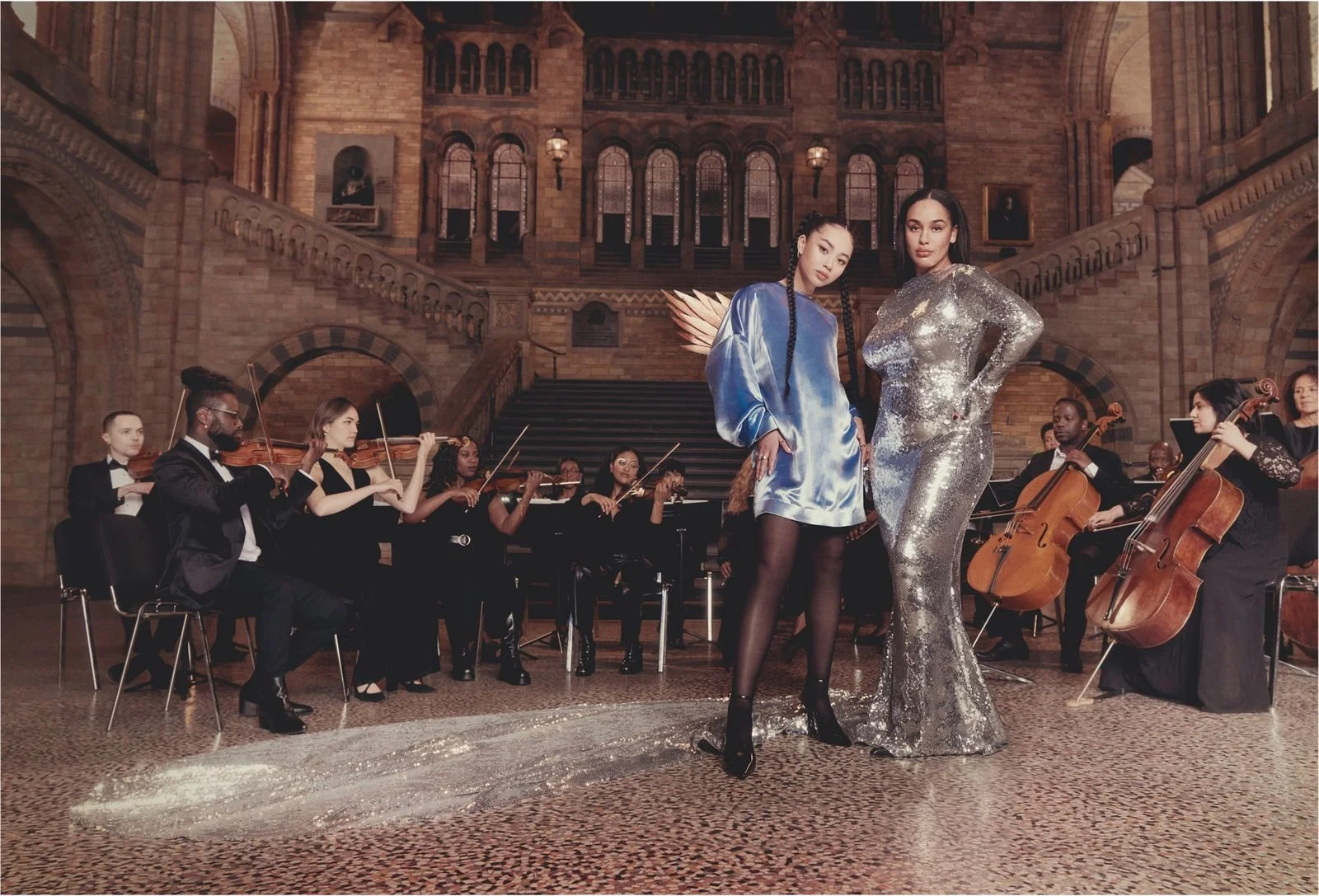
©Vogue / Vogue World 2023
A runway show is a piece of theatre with a runtime of eight to twelve minutes, and almost every second of it is scored. Few people in the audience could name the track playing. Nearly all of them would notice immediately if the sound were wrong, jarring against the mood, out of step with the walk, simply off. That gap between invisibility and impact is the whole discipline of runway sound direction, and it is one of the least discussed crafts in an industry that talks endlessly about everything else on that runway.
It rarely gets credited the way a set designer or a casting director does. And yet critics who have sat through decades of shows describe the soundtrack as one of the clearest windows into a designer's actual sensibility, often more legible than the clothes themselves. As NPR's Morning Edition once put it, the music playing as models walk can carry as much meaning as the cut or color of a dress, functioning the way a film score does: setting tone, hinting at how a designer thinks of themselves, inviting the audience into a specific sensibility before a single garment is fully visible. The genre choices alone tell a story. Techno signals one register, orchestral strings another, a single ambient drone something else entirely, and industry coverage of standout show soundtracks regularly notes how a well-built sound sequence can turn a runway into something closer to a club night or a piece of immersive theatre than a static presentation of garments moving past a seated audience.
A discipline, not a playlist
What separates a well-directed show from a merely soundtracked one is sequencing: a build, a turn, a resolution, timed to the exact rhythm of the walk, not just a string of tracks the audience happens to like. Practical guides to the craft, like the ones collected in Number Analytics' overview of sound design for runway shows, describe it as a genuine planning discipline: defining the show's concept and atmosphere first, then choosing music and sound effects that reinforce that theme rather than decorate it, coordinated as closely with the designer as the lighting or the set construction. The best relationships in this world are the ones where designer and sound director develop ideas together over months, testing tempo against the pacing of the walk, revising a transition a dozen times, rather than assembling a playlist the morning of the show.
There is also a technical layer that rarely gets discussed outside the industry itself: room acoustics. A soundtrack engineered for a marble atrium behaves completely differently in a tented structure or a historic hôtel particulier, and a sound director worth the title accounts for reverberation, speaker placement, and the specific way sound travels across two hundred seated guests before a single track is finalized. This is engineering as much as it is taste.
The soundtrack is the one part of a show an audience cannot screenshot. It is often the part they remember longest.
Why this deserves more institutional weight
Most houses still treat show sound as a production line item: decided late, executed fast, rarely revisited between seasons, and handed to whichever production company is already booked for lighting and staging. That is a strategic gap, not a minor one. As shows fragment into fifteen-second clips consumed on mute as often as with sound on, the houses that build a genuine, consistent sonic point of view, developed with the same rigor as casting or set design, will be the ones whose identity survives that fragmentation intact when the footage is re-cut a hundred different ways across a hundred different feeds.
The opportunity here is not a better playlist. It is treating sound direction as a discipline with the same seniority as any other creative function in the room, staffed, briefed, and developed years in advance rather than assembled the week of the show, with a point of view specific enough that an audience could recognize the house blind, by ear alone, the way they already recognize it by silhouette.
